The 5 Best Dark Sky National Parks in America
For those who know the real show starts after sunset.
Most people visit national parks for the views. The canyon walls. The geysers. The wildlife along the trail. But there's another America that emerges after dark — one that most visitors never see because they're already back at the hotel.
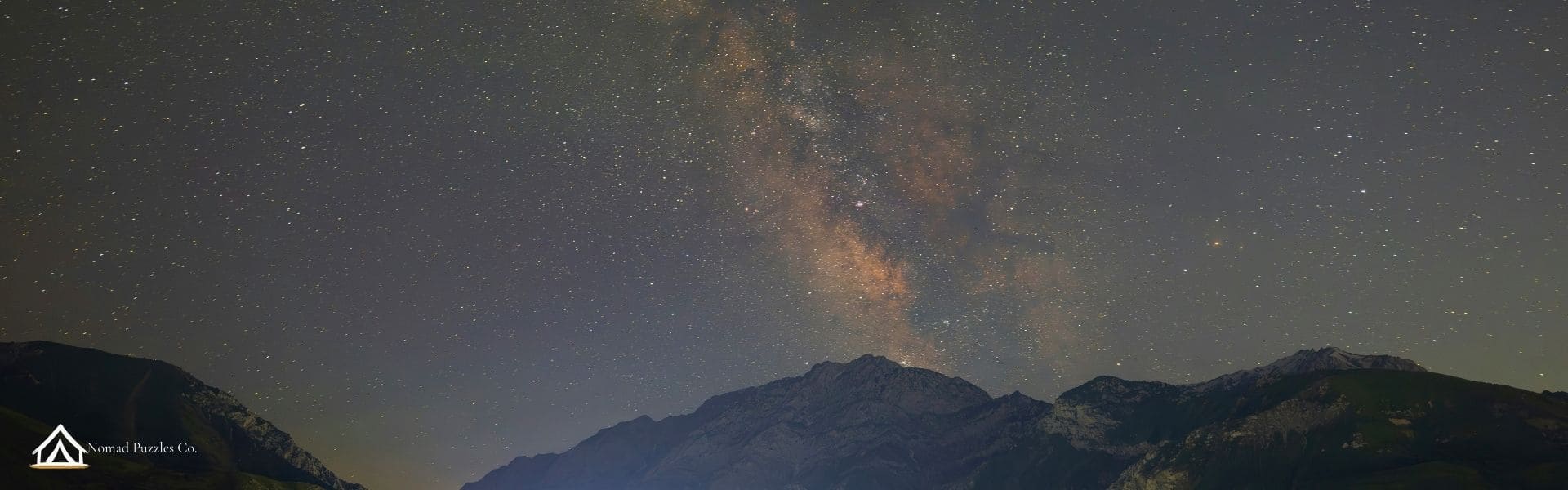
These five national parks have earned official International Dark Sky designation, meaning their night skies are among the most protected and pristine on the continent. No light pollution. No competing glow on the horizon. Just the Milky Way, arcing overhead in violet and gold, exactly as it has for millennia.
1. Big Bend National Park, Texas

Big Bend is the darkest certified national park in the contiguous United States — a distinction earned by its extraordinary remoteness in the Trans-Pecos region of West Texas. The nearest city of any size is hundreds of miles away. On a clear night, which is most nights, the galactic core is visible to the naked eye with breathtaking clarity.
The Chihuahuan Desert comes alive after dark in ways that surprise first-time visitors. Javelinas root through the desert scrub. Roadrunners pause on moonlit trails. The black bear that moved quietly on a distant ridge all day becomes bolder in the cooling air. And above it all, the Milky Way stretches from the Chisos Mountains to the Rio Grande in one unbroken sweep.
➤ Best time to visit: March through May, or September, for optimal Milky Way visibility and comfortable temperatures.
2. Joshua Tree National Park, California

Joshua Tree sits at the meeting point of two distinct desert ecosystems — the higher Mojave and the lower Colorado — and the result is one of the most visually distinctive night sky destinations in America. The park's iconic twisted silhouettes against a star-filled sky have become one of the most photographed images in American landscape photography.
The warm honey amber monzogranite boulders glow faintly in the starlight. Desert bighorn sheep stand alert on rocky ridges. Coyotes move through the creosote. And the Teddy Bear Cholla catches the light of the Milky Way with its distinctive golden spines.
➤ Best time to visit: October through May — summer temperatures in the Mojave can be extreme, and winter nights offer the clearest skies.
3. Death Valley National Park, California/Nevada

Death Valley holds multiple records — lowest elevation, hottest temperature, driest conditions in North America. It also holds the title of one of the darkest places on the continent. The surrounding mountain ranges create a natural bowl that shields the valley floor from any distant light pollution.
The night sky here feels different from other parks — lower, somehow, as if the stars are closer because you're standing below sea level. Kit foxes emerge from their dens. Kangaroo rats make their rounds. And the silence is so complete it becomes something you can almost hear.
➤ Best time to visit: November through March — Death Valley's summer temperatures make extended outdoor activity genuinely dangerous.
4. Capitol Reef National Park, Utah

Capitol Reef is one of Utah's least visited national parks — which means its dark skies are among the least crowded too. The Waterpocket Fold, a nearly 100-mile long wrinkle in the earth's crust, creates a dramatic backdrop for night sky photography that rivals anything in the American Southwest.
The red and white sandstone formations glow warm under the Milky Way in a way that feels almost painted. Mule deer pick their way through the orchards that pioneers planted over a century ago. And the stars — there are simply more of them here than most people have ever seen in their lives.
➤ Best time to visit: April through June and September through October for mild temperatures and clear skies.
5. Great Basin National Park, Nevada

Great Basin is among the least visited national parks in the country — and therein lies its extraordinary appeal. With fewer than 150,000 visitors annually, its dark skies are virtually undisturbed. The park hosts some of the oldest living organisms on earth — ancient bristlecone pines that have stood for several thousand years — and beneath them, one of the most pristine night sky environments in the American West.
The Milky Way here is not a suggestion. It is a fact — dense, vivid, and humbling.
➤ Best time to visit: June through September — the park sits at high elevation and winters can be severe.
The Common Thread

Each of these parks protects something increasingly rare — genuine darkness. In an age when two thirds of Americans can no longer see the Milky Way from their backyard, these places are not just beautiful. They are irreplaceable.
The wildlife that emerges after dark, the silence that settles over the desert, the stars that appear one by one until the sky is simply full — these are experiences that no photograph fully captures and no puzzle completely contains.
But we try anyway.
Shop the National Parks Collection →
Nomad Puzzles Co. has documented America's finest dark sky parks — including Big Bend and Joshua Tree — as part of our National Parks Collection. Each puzzle is a reminder that some of the most extraordinary things happen after the sun goes down.
Frequently Asked Questions
What makes a national park an official Dark Sky Park?
The International Dark-Sky Association certifies parks based on measured sky quality, community commitment to reducing light pollution, and public education programs. Certification requires ongoing monitoring and maintenance of dark sky conditions.
Do I need special equipment to enjoy dark sky parks?
No — the Milky Way is visible to the naked eye in all five parks on this list. Binoculars enhance the experience significantly. A red-light headlamp is helpful for moving around without ruining your night vision.
What's the best moon phase for stargazing?
New moon — when the moon is absent from the sky entirely. Plan your visit around the new moon calendar for the most dramatic Milky Way visibility. Full moon nights are beautiful in their own way but wash out fainter stars.
Are dark sky parks safe to visit at night?
Yes — stick to established trails and viewpoints, bring a reliable light source, and let someone know your plans. The parks themselves are safe; the primary consideration is simply being prepared for darkness and temperature drops.
Which dark sky park is easiest to visit from a major city?
Joshua Tree is closest to a major metro area — approximately 2.5 hours from Los Angeles. Big Bend is the most remote on this list but rewards the drive with the darkest skies of any park in the contiguous United States.